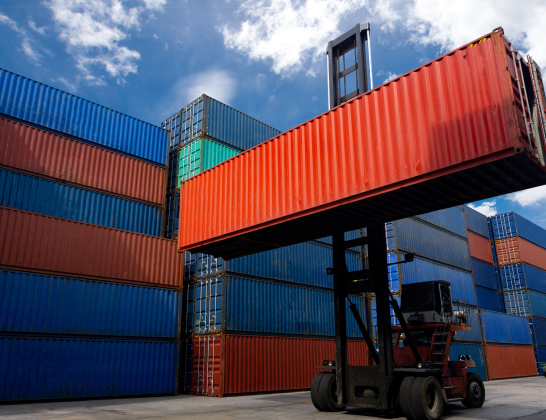


When it comes to international trade, Dubai is one of the busiest hubs in the world. With its strategic location, advanced infrastructure, and business-friendly environment, the city has become a gateway for importers and exporters. But before any product can legally enter or leave the country, it must go through a detailed process — the Dubai customs clearance procedure.
Understanding this process is essential for businesses, especially importers, who want smooth operations and fewer delays. In this blog, we’ll explore the customs clearance procedure step by step, the documents required, the role of customs authorities, and how companies can make the process easier with professional support.
Step-by-Step Customs Clearance Procedure in Dubai
Let’s break down the customs clearance procedure into simple steps to help businesses and importers ensure shipments comply with regulations, avoid delays, and move smoothly through Dubai’s ports:
1. Importer Registration
Before starting, every business or importer must register with Dubai Customs. This involves creating a business code, which is linked with the company’s trade license. Registration is mandatory and acts as a digital identity for the importer.
Once registered, companies gain access to the online portal where most customs-related tasks are completed. This online system reduces manual work, minimizes errors, and allows companies to track their shipments in real time.
Tip: Businesses should ensure their trade license is valid and updated before applying. Any inconsistencies in business registration records can cause delays at the very first stage.
2. Preparing Documentation
Proper documentation is the backbone of customs clearance. Even the most efficient system cannot process shipments without the right paperwork.
The main documents usually required include:
- Commercial Invoice: Lists product details, value, and seller-buyer information.
- Packing List: Provides the breakdown of items in the shipment, including weight and dimensions.
- Bill of Lading or Airway Bill: Proof that the goods have been shipped.
- Certificate of Origin: Declares where the goods were manufactured, important for calculating tariffs.
- Import Permit (if required): For restricted items such as food, chemicals, or electronics.
If even one document is missing or incorrect, the shipment can get delayed, leading to storage charges at the port. For example, food importers often face delays when health certificates are not aligned with UAE’s food safety requirements.
Tip: Always cross-check the HS Code (Harmonized System Code) on the invoice with Dubai Customs’ tariff guide. A wrong code can lead to higher duties or shipment rejection.
3. Filing a Customs Declaration
Once documents are ready, the importer or their appointed clearing agent files a customs declaration through the Dubai Trade online portal. This step involves entering detailed shipment information such as cargo value, description, origin, and intended use.
The portal automatically checks the data against customs regulations. If everything matches, the declaration is approved digitally.
For businesses unfamiliar with the system, customs brokers can handle this step. These professionals know the platform inside-out and reduce the risk of errors.
Tip: Filing declarations early, even before the vessel arrives, can save significant time once the shipment lands at Jebel Ali Port or Dubai International Airport.
4. Payment of Duties and Taxes
Dubai imposes import duties on most goods, generally around 5% of the CIF (Cost, Insurance, and Freight) value. However, there are exceptions:
- Luxury goods may attract higher duties.
- Essential products like medicines or educational materials may be exempt.
- Products imported from GCC countries often enjoy reduced or zero duty.
Payment is made electronically through the Dubai Trade system. Once the payment is cleared, the importer receives a receipt that confirms the settlement of dues.
Example: An importer bringing in electronics worth $50,000 would usually pay around $2,500 in duties, unless exemptions apply.
Tip: Importers should budget for duties, VAT (currently 5%), and potential surcharges to avoid surprises.
5. Inspection of Goods
Not all shipments undergo physical inspection. Dubai Customs uses advanced risk management systems and X-ray scanners to decide which goods should be checked.
- Green Channel: Low-risk goods may pass without inspection, only requiring document verification.
- Red Channel: High-risk or restricted goods undergo a physical check, sometimes involving other government authorities.
- Yellow Channel: Goods flagged for additional clarification or minor checks.
For instance, if a company is importing chemicals, the shipment might require clearance from the Ministry of Climate Change and Environment before release.
Physical inspections can add time, but they are critical for preventing smuggling, counterfeit products, or unsafe goods from entering the market.
Tip: Clearly label and package goods to avoid confusion during inspection. Mislabeling can trigger unnecessary red flags.
6. Customs Approval and Release
Once the documents are verified, duties are paid, and inspections (if required) are completed, Dubai Customs issues final approval. This stage means the goods are officially cleared.
The importer can then arrange for transportation to warehouses, retail stores, or final customers. Companies often coordinate with logistics providers at this stage to ensure seamless last-mile delivery.
In case of delays, shipments may be stored in customs warehouses, but this usually incurs additional charges. Therefore, efficient handling of earlier steps is key to avoiding extra costs.
Tip: Always plan transportation in advance. Having trucks or local transport ready saves time once customs approval is granted.
Ensuring Smooth Customs Clearance in Dubai
Dubai is one of the world’s most important trading hubs, and understanding the Dubai customs clearance procedure is crucial for businesses and importers who want to succeed in this competitive environment. From registration and documentation to payment of duties and inspection of goods, every step must be handled with care.
By staying compliant, using digital tools, and partnering with reliable customs clearance in Dubai like Amexpro Global Shipping , businesses can avoid costly delays and ensure their goods reach the market quickly. Whether you are a small importer or a global enterprise, navigating the customs clearance procedure in Dubai the right way is a smart investment in long-term success.