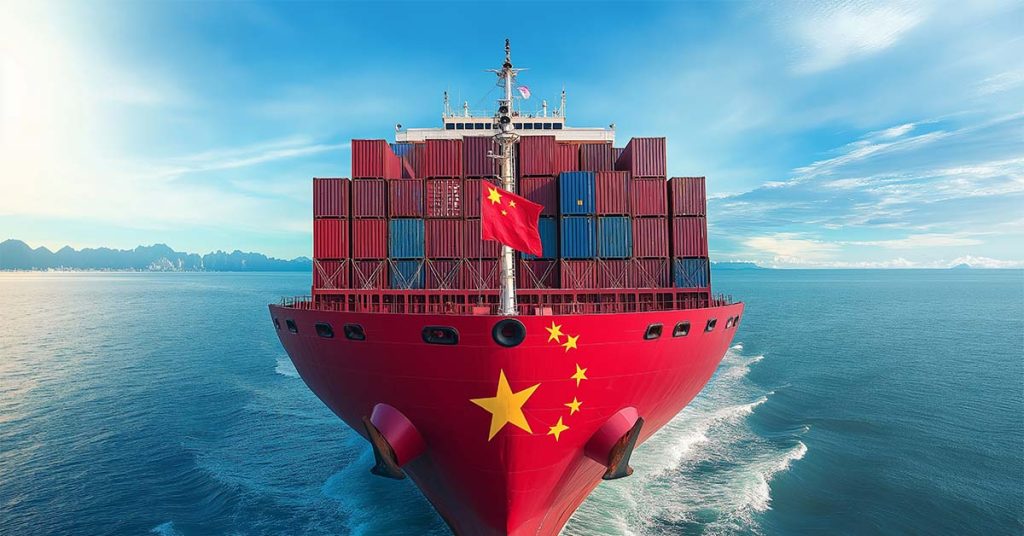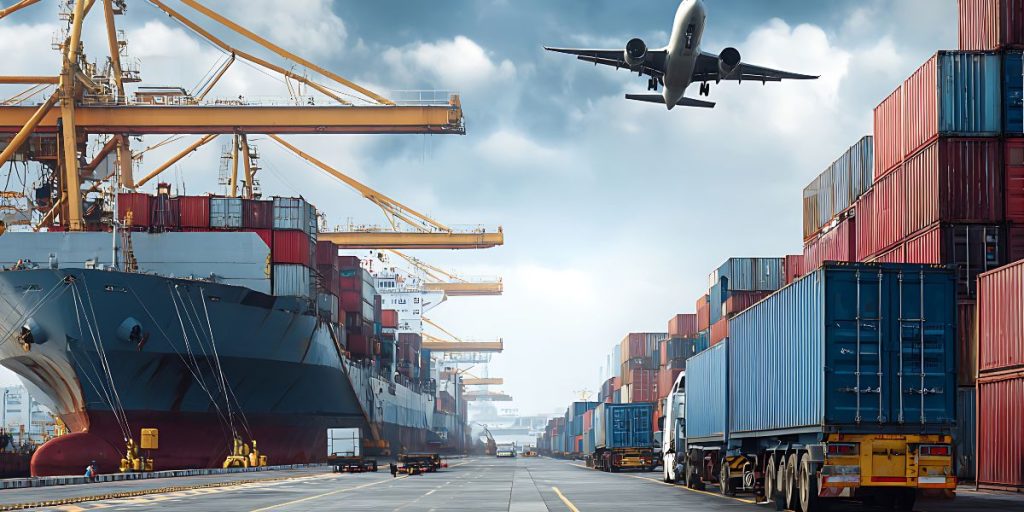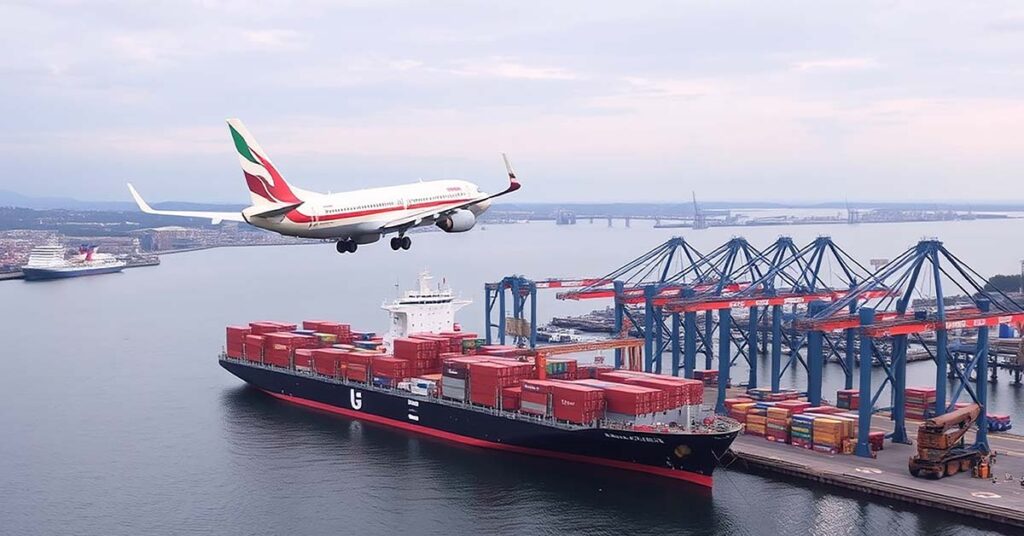
Air cargo is the fastest way to move business goods and household effects from Dubai to the Philippines. The direct flight from Dubai to Manila takes about 9 hours. Commercial cargo is cleared by the Philippine Bureau of Customs (BOC) and pays import duties and VAT, while personal and household effects follow different rules.
This guide covers transit times, what affects the cost, what you can send, how customs clearance works and which documents you need, whether you are shipping stock for a business or relocating with your household goods.
How long does air cargo from Dubai to the Philippines take?
The direct flight from Dubai to Manila takes about 9 hours, but total transit depends on airline space and the service you book. Door-to-door delivery takes longer because it includes collection in Dubai, export clearance, BOC customs clearance and local delivery. Peak seasons, inspections and missing documents can add time.
Cargo for Metro Manila lands at Ninoy Aquino International Airport (NAIA). You can book air freight airport to airport and arrange clearance yourself, or choose a door-to-door service where one provider handles collection, the flight, customs clearance and delivery.
How much does air cargo from Dubai to the Philippines cost?
The cost is the chargeable weight multiplied by the per-kg air freight rate, plus customs clearance and delivery charges. Chargeable weight is the higher of the actual weight and the volumetric weight. Rates change with fuel prices, airline capacity and season, so Amexpro quotes each shipment based on its weight, size, contents and delivery address.
- Chargeable weight – The higher of the actual weight and the volumetric weight of your cargo.
- Per-kg rate – Set by the airline and route, and usually lower per kilogram for heavier shipments.
- Customs clearance – Brokerage and handling at destination, plus any duties and VAT.
- Delivery – Transport from the airport to your door, which costs more for provincial addresses.
- Type of goods – Dangerous goods, valuables and oversized cargo need special handling.
- Cargo insurance – Optional cover for loss or damage. See air freight cargo insurance.
How to calculate chargeable weight
Volumetric weight for air freight is usually length × width × height in centimetres, divided by 6,000. For example, a carton measuring 60 × 50 × 50 cm has a volumetric weight of 25 kg. If it actually weighs 18 kg, you are charged for 25 kg. See our guide to air freight prices for more on how air freight is charged.
What can you send by air cargo to the Philippines?
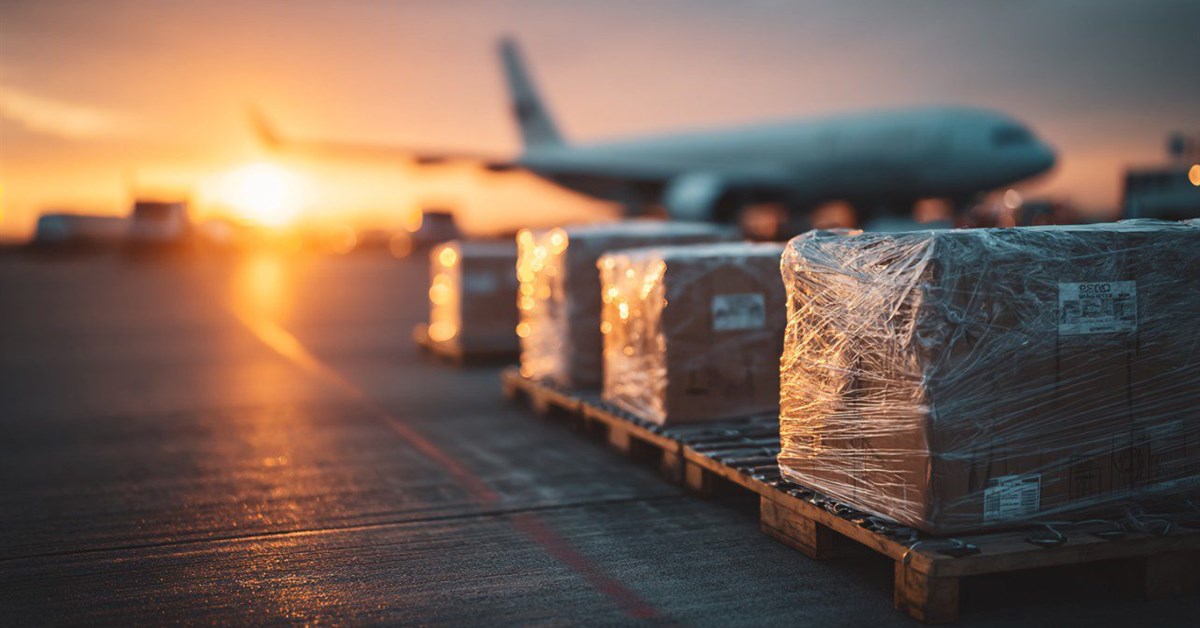
You can send most general goods by air cargo to the Philippines, as long as they are declared correctly and packed well. Businesses often ship electronics, spare parts, machinery components, samples and retail stock. People relocating can send personal and household effects such as clothing, kitchenware, books and small appliances. Some goods need permits first.
- Electronics such as laptops, phones and tablets (batteries fitted in the device and declared)
- Spare parts, tools and machinery components
- Retail and e-commerce stock
- Business documents and product samples
- Personal and household effects when you are relocating
What items are prohibited or restricted?
Restricted goods can be sent only with a permit or special handling. These include food, medicines and cosmetics, plants, animal products, telecom equipment and dangerous goods such as perfumes, aerosols and lithium batteries. Prohibited goods, such as explosives, illegal drugs and counterfeit items, cannot be sent. Undeclared items can be seized and the importer penalised.
Restricted items
- Food, food supplements, medicines and cosmetics – May need clearance from the Philippine Food and Drug Administration (FDA).
- Plants, seeds, fruits and vegetables – Need permits from the Bureau of Plant Industry.
- Meat, animal products and pet food – Need permits from the Bureau of Animal Industry.
- Radio and telecom equipment – Some devices need approval from the National Telecommunications Commission.
- Perfumes, aerosols and spare lithium batteries – Classed as dangerous goods and must be declared, packed and labelled to airline rules. See dangerous goods by air.
Prohibited items
Do not send explosives, fireworks, illegal drugs, firearms and ammunition without a licence, counterfeit goods or obscene material.
How does customs clearance work in the Philippines?
The Bureau of Customs (BOC) clears all air cargo arriving in the Philippines, and the rules depend on whether the shipment is commercial or personal. Commercial cargo is declared with full documents and pays import duty plus 12% VAT. Personal and household effects can enter duty and tax free, but only within strict limits.
Commercial shipments
Commercial cargo needs a commercial invoice, a packing list and an air waybill. The consignee must be registered with the BOC, either as an accredited importer or as a non-regular importer for a one-off shipment. Import duty depends on the type of goods, and 12% VAT is charged on top. A licensed customs broker usually lodges the declaration and arranges payment before release.
Personal and household effects
Filipinos living abroad can send personal and household effects to family in the Philippines duty and tax free if the shipment meets these conditions:
- It contains personal and household effects only.
- The total value is no more than PHP 150,000 a year.
- It is sent no more than 3 times a year.
- It holds no commercial quantities.
- It is shipped through a DTI-accredited forwarder.
Filipinos moving back to the Philippines follow a separate rule. After at least six months abroad, they can bring personal and household effects duty and tax free up to PHP 150,000, PHP 250,000 or PHP 350,000, depending on their years abroad, if the goods arrive within 60 days of their return.
Rules can change, so check the current requirements before you ship.
What documents do you need to ship commercial cargo to the Philippines?
To ship commercial cargo to the Philippines, you need a commercial invoice, a packing list and an air waybill. The consignee must be registered with the Bureau of Customs as an importer, restricted goods need permits from the relevant agency, and dangerous goods need a shipper’s declaration. Details must match on every document.
- Commercial invoice – Shows the description, quantity and value of the goods.
- Packing list – Lists the cartons, weights and dimensions.
- Air waybill (AWB) – The transport document issued by the airline or forwarder.
- Importer registration – The consignee’s BOC accreditation or non-regular importer registration.
- Permits and dangerous goods declaration – Needed for restricted items and dangerous goods.
Air or sea cargo to the Philippines: which is better?
Air cargo is better for urgent, high-value, fragile or lighter shipments, because the flight to Manila takes hours rather than weeks. Sea cargo usually costs less per kilogram for large, heavy or non-urgent loads, such as a full household move. Many businesses use air for urgent stock and sea for regular orders.
To compare timings, see how long sea freight takes.
Frequently Asked Questions
1. Is air cargo to the Philippines duty-free?
Not usually. Commercial cargo pays import duty and 12% VAT. Shipments valued at PHP 10,000 or less are generally free of duty and tax, and qualifying personal and household effects sent by Filipinos abroad are duty and tax free up to PHP 150,000 a year, up to 3 times a year.
2. Do you deliver to Cebu, Davao and the provinces?
Yes. Amexpro delivers door to door to Cebu, Davao and other provinces, and it takes longer than delivery in Metro Manila. Share the full delivery address when you ask for a quote.
3. Can I send perfume or power banks by air cargo?
Perfumes and spare lithium batteries such as power banks are dangerous goods. They can be sent only if they are declared and packed to airline rules, and some services do not accept them.
4. Can I send household goods by air when I relocate to the Philippines?
Yes. Air suits the items you need soon after you arrive, while larger household moves usually go by sea. Personal and household effects must be declared, and duty-free entry depends on meeting the BOC limits.
Get a Quote for Air Cargo to the Philippines
Amexpro Global Shipping LLC, Dubai, handles air cargo from Dubai to the Philippines for businesses and for people relocating, with help on packing, documents and customs clearance. Request a quote or call +971 4 294 8666.